




Two thieves sliced through a fence, climbed through a window and stole four valuable Renoir paintings from a small museum on the French Riviera on Tuesday, but abandoned two of the artworks as they fled, authorities said.
The whole operation took less than three minutes and targeted the most valuable works in the Renoir Museum in the town of Cagnes-sur-Mer, the regional prosecutor’s office said.
Investigators have launched a national search for the offenders.
The theft conjured up painful memories of the heist of crown jewels at the Louvre Museum in Paris last year and revived calls for better security and better funding for the many cultural sites large and small that dot France’s landscape.
Cagnes-sur-Mer mayor Bryan Masson estimated the value of the combined Renoir works stolen on Tuesday at nine million euros (£7.7 million), but art theft experts warned they will be extremely hard to sell.
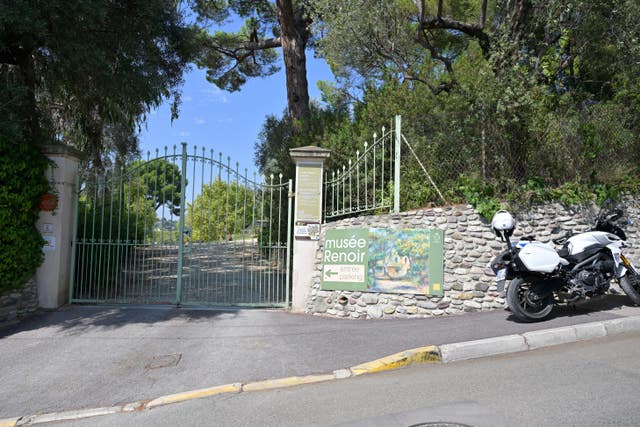
The Renoir Museum is housed in the last home of painter Pierre-Auguste Renoir, where he lived before his death in 1919. It is the most famous attraction in Cagnes-sur-Mer, situated between Cannes and Nice on the Mediterranean coast.
The “well-equipped” and “well-informed” thieves entered the Renoir Museum via the garden, Mr Masson told reporters at the scene.
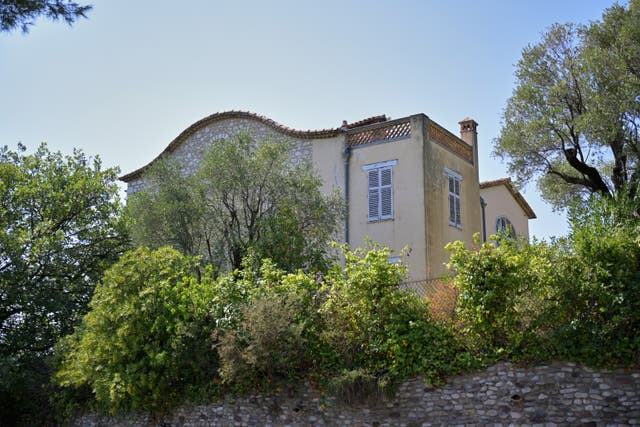
They sliced through a fence with an electric knife or saw, entered the museum through the ground floor, and then cut the clips securing the artwork frames, he said in remarks aired by local broadcaster Ici Azur.
The museum’s alarm system went off at 5.48am local time, and police arrived five minutes later, the mayor said.
Their swift arrival “forced the burglars to flee in haste and helped limit the scale of the theft”, he said in a written statement sent to The Associated Press (AP).
Two of the stolen works were found dropped in the museum garden — Renoir’s Portrait Of Madame Pichon and Coco Reading, the prosecutor’s office said in a statement.
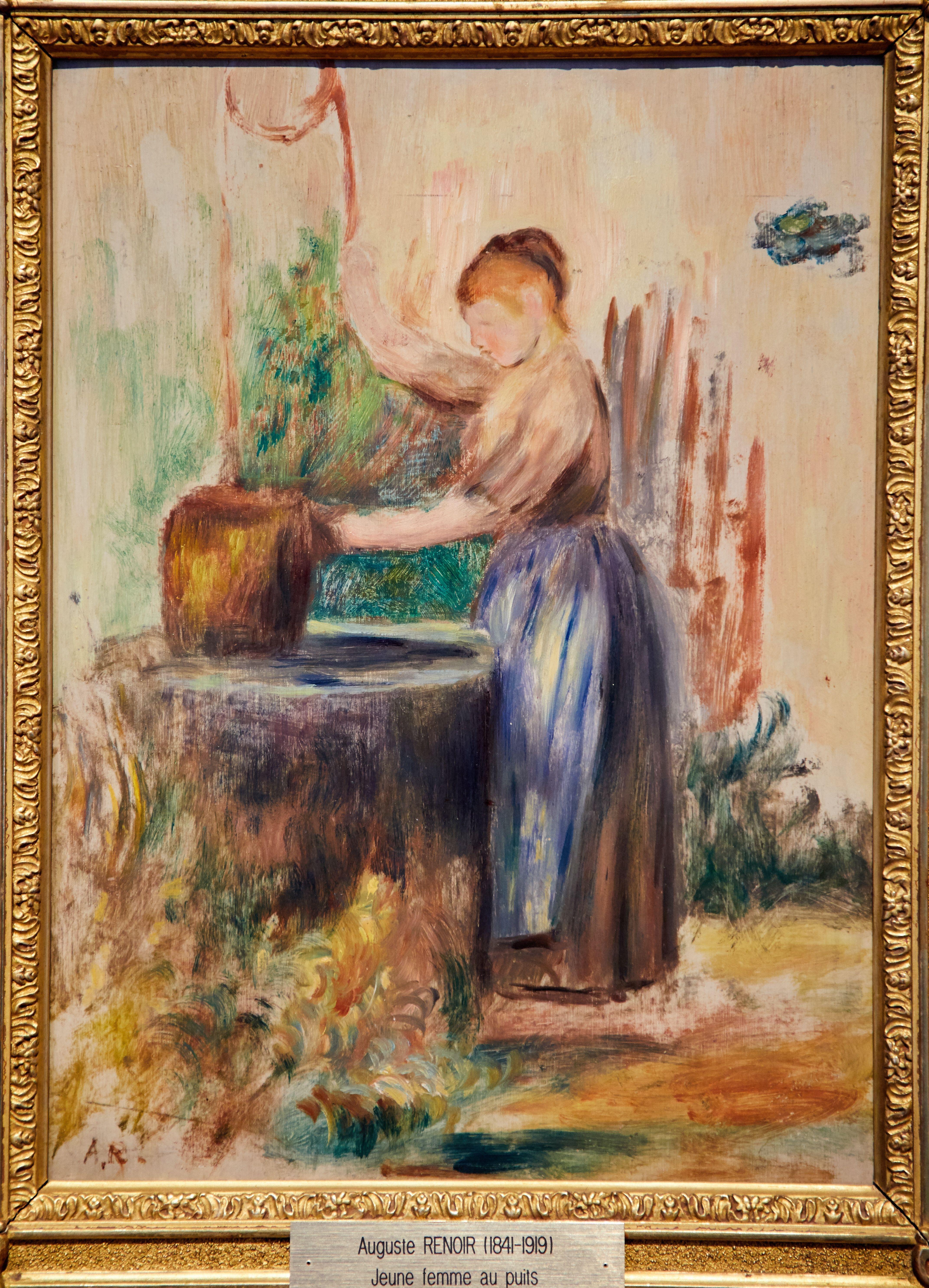
The two still missing are Portrait Of Madame Colonna Romano and Young Woman at the Well.
At least two of the works targeted on Tuesday had a troubled history.
Young Woman At The Well is believed to have been looted by the Nazis during the Second World War, and was recovered in Bavaria in 1949 and brought back to France, according to the French culture ministry database of spoliated art.
A German officer in Paris gave Coco Reading to a German soldier at the end of the war under orders to take it to Germany, according to the database.
The soldier later gave it to a German priest, who handed it over to a Berlin museum in 1972. Germany’s government returned it to France in 1994.
The Cagnes-sur-Mer museum had 12 works by Renoir in total, the mayor said.
The museum was closed on Tuesday while the investigation unfolded.
The Marseille prosecutor opened an investigation into theft by an organised gang. The French national office for traffic in cultural goods is joining the investigation.
“This incident should serve as a warning about the protection of our museums,” the mayor said.
Art theft expert James Ratcliffe of the Art Loss Register told the AP that underfunding is the main problem facing museums everywhere, not just in France. And smaller museums are especially exposed because of their limited finances.
“The theft of the Louvre has demonstrated to everybody with criminal intent that museums are potentially soft targets,” he said.
“People are looking at museums differently.”
Unlike the Louvre heist or other recent museum thefts targeting gold or jewels that can be melted down or recut, the Renoir theft leaves the thieves in a predicament.
“Although the (paintings) are valuable, and will have probably seven figures attached to them in terms of the financial value, trying to find a buyer who will pay that is going to be almost impossible for them,” Mr Ratcliffe said.
“Unless they have a plan for that in advance, they’re not going to be able to just go to an art dealer and say, ‘Look, I’ve got these two nice Renoirs, would you like to buy them?'”


Share